

Postures You Need to Avoid to Save Your Back from Long Term Damage
Back pain and aches are common complaints that affect millions worldwide. Many people don’t realize that the way they sit, stand, or move throughout the day can cause lasting damage to their spine and hips. Poor posture not only leads to discomfort but can also create long-term problems like chronic back pain and hip pain. Understanding which postures harm your back is the first step toward protecting your health.
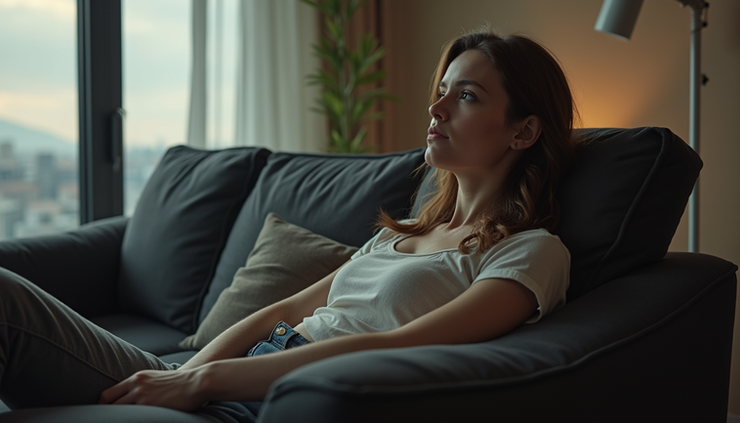
Slouching While Sitting
One of the most common postures that damage your back is slouching. This happens when you sit with your shoulders rounded forward and your lower back curved outward. Slouching puts uneven pressure on your spine and discs, leading to muscle strain and aches over time.
Why it’s harmful:
Compresses spinal discs, increasing risk of herniation
Weakens core muscles that support your back
Causes tightness in hip flexors, contributing to hip pain
How to fix it:
Sit with your back straight and shoulders relaxed but not rounded
Use a chair with good lumbar support or add a cushion
Keep feet flat on the floor and knees at a right angle
Standing with Locked Knees
Standing for long periods with your knees locked can cause strain on your lower back and hips. This posture forces your pelvis to tilt forward, increasing the curve in your lower spine and putting pressure on your vertebrae.
Why it’s harmful:
Increases lumbar lordosis (excessive inward curve)
Stresses hip joints and surrounding muscles
Leads to muscle fatigue and aches in the lower back
Better standing habits:
Keep knees slightly bent and avoid locking them
Distribute your weight evenly on both feet
Engage your core muscles to support your spine
Sleeping on Your Stomach
Sleeping on your stomach may feel comfortable, but it twists your neck and strains your lower back. This position forces your spine out of alignment and can cause persistent back pain and stiffness.
Why it’s harmful:
Twists the neck, leading to aches and stiffness
Hyperextends the lower back, increasing pressure on discs
Reduces natural spinal curve support during rest
Healthier sleep positions:
Sleep on your back with a pillow under your knees
Sleep on your side with a pillow between your legs
Use a supportive mattress that keeps your spine aligned

Carrying Heavy Bags on One Shoulder
Carrying a heavy bag on one shoulder causes uneven weight distribution, forcing your spine to lean to one side. This posture can lead to muscle imbalances, back pain, and hip discomfort over time.
Why it’s harmful:
Creates uneven pressure on spinal muscles and joints
Causes one side of your body to overwork, leading to aches
Can contribute to scoliosis or spinal misalignment if habitual
Tips to avoid damage:
Use backpacks with two straps to distribute weight evenly
Keep the bag’s weight under 10-15% of your body weight
Switch shoulders frequently if you must carry a single-strap bag
Leaning Forward While Using Devices
Many people lean forward when using phones, tablets, or laptops. This posture, often called “tech neck,” strains the neck, upper back, and shoulders. Over time, it can cause chronic pain and poor spinal alignment.
Why it’s harmful:
Increases pressure on cervical spine (neck)
Causes tightness in upper back muscles and shoulders
Leads to headaches and persistent neck aches
How to improve:
Hold devices at eye level to avoid bending your neck
Take frequent breaks to stretch and reset posture
Use ergonomic setups for computers and workstations


vipwin thì ừ, thấy mấy ông khen hoài nên mình cũng ghé qua xem có gì hay ho thật không, mà nói trước là mình hơi nghi ngờ mấy nền tảng kiểu này nên chỉ nhìn nhanh cách họ làm giao diện với bố cục thôi chứ không đào sâu. Lướt một vòng thấy trang chia nội dung thành từng khối rõ ràng. Kéo xuống đọc cũng dễ. Mình dùng điện thoại là chính, bấm chuyển qua lại thấy phản hồi khá mượt. Không kiểu giật giật khó chịu. Có cái mình để ý là phần họ nói về bảo mật an toàn để khá lộ, nhìn phát thấy ngay. Nói chung nhìn vậy là ổn. Menu và các cụm…
https://gamebaidoithuong.capital/no-hu/ là trang mình vừa vào đọc thử đúng nghĩa lướt cho biết thôi. Mở lên cái thấy họ để mục Top 10 nổ hũ theo tháng khá rõ, nên mình không phải kéo qua kéo lại để đoán xem nội dung chính nằm ở đâu, nhìn tiêu đề là hiểu ngay đang nói về bảng xếp hạng. Mình cũng để ý họ có nhắc mấy tiêu chí kiểu chọn cổng uy tín dựa trên tốc độ nạp–rút với CSKH, đọc nhanh vẫn bắt được ý chính (kiểu dành cho người mới cũng ổn). Cách họ chia bài thành từng khối nội dung nhìn gọn, tiêu đề to nên mắt mình bám được nhịp đọc, và phần bảng tổng hợp…
Chủ đề “Trang Chủ Chính Thức Không Bị Chặn… 2026” nhìn cái là mình hiểu ngay họ muốn nhấn vào đâu, nên cũng yên tâm bấm xem thử. SUNWIN mình lướt qua trang chủ vài phút thôi mà thấy bố cục sắp xếp gọn gàng, kéo xuống khá trơn tru, mắt không phải đảo liên tục để tìm điểm dừng. Mấy khối nội dung đặt thẳng hàng, khoảng cách vừa phải nên nhìn lâu cũng đỡ mệt (kiểu làm cho người lười đọc như mình). Menu để ở vị trí dễ thấy, thao tác qua lại ổn, không bị cảm giác “lạc” giữa nhiều mục. Nói chung mình không đào sâu tính năng hay gì, chỉ đánh giá nhanh phần…
thapcam tv là chỗ mình hay ghé khi cần xem bóng đá gấp. Vào cái là thấy luồng trực tiếp hiện ra ngay, khỏi phải lục lọi như đi tìm điều khiển tivi bị rớt xuống gầm giường; mình chỉ xem ké vài đoạn thôi mà thấy đường truyền chạy khá ổn, hình lên Full HD nhìn mượt, đỡ cái cảnh đứng hình đúng lúc sắp có bàn (cay lắm). Mình cũng bật cười vì phần bình luận tiếng Việt kiểu tếu tếu, nghe nhẹ đầu hơn mấy kênh nghiêm túc quá, kiểu vừa xem vừa có cái để “cà khịa” bạn bè trong group. Nói chung dùng nhanh gọn, và mình thích nhất là mấy ô lịch thi đấu…
https://ae888.cat/ mình lướt thử vì thấy bạn bè nhắc vài lần, kiểu vào xem giao diện có rối không thôi. Vừa mở ra là thấy họ chia mục khá gọn, nhìn phát biết đang ở đâu chứ không bị loạn chữ. Mình cũng để ý họ có nói hỗ trợ cả web lẫn điện thoại (Android/iOS), nên mình thử kéo trên màn hình nhỏ thì bố cục vẫn giữ được, các khung nội dung co lại khá ổn. Không đọc sâu phần giới thiệu hay giấy tờ gì, chỉ xem cách họ đặt tiêu đề và sắp xếp thông tin, thấy dễ theo dõi hơn mình tưởng. Menu để ngay chỗ dễ bấm, chuyển qua lại mượt, và các heading…